If your grilled chicken always comes out dry, the problem isn’t your grill — it’s that you skipped the marinade. This chicken marinade is the all-purpose formula I reach for on repeat: olive oil and lemon juice for juiciness, soy sauce and honey for savory-sweet depth, Dijon and garlic for punch, and smoked paprika for that backyard-grill flavor. Ten minutes of whisking, at least 30 minutes in the fridge, and you’ll get juicy, charred, flavor-packed chicken every single time — on the grill or in a pan.
Why You’ll Love This Chicken Marinade
- Juicy chicken, guaranteed — oil coats every piece to lock in moisture while acid and salt season deep, so even lean breasts stay tender.
- One marinade, endless dinners — works for grilling, pan-searing, broiling, or baking, and pairs with any side from salads to rice bowls.
- 10 minutes of effort — whisk everything in one bowl; the fridge does the rest while you go about your day.
- Pantry-friendly formula — no specialty ingredients, and three easy variations (Italian herb, honey mustard, spicy chipotle) keep it fresh all summer.
Chicken Marinade Ingredients
For the Marinade
- ⅓ cup olive oil
- ¼ cup fresh lemon juice (about 2 lemons)
- 3 tablespoons soy sauce
- 2 tablespoons honey
- 2 tablespoons Dijon mustard
- 4 garlic cloves, minced
- 1 teaspoon dried oregano
- 1 teaspoon dried thyme (or 1 tablespoon fresh thyme leaves)
- 1 teaspoon kosher salt
- ½ teaspoon black pepper
- 1 teaspoon smoked paprika
You’ll Also Need
- 2 lbs boneless, skinless chicken breasts or thighs (about 4 large breasts or 8 thighs)
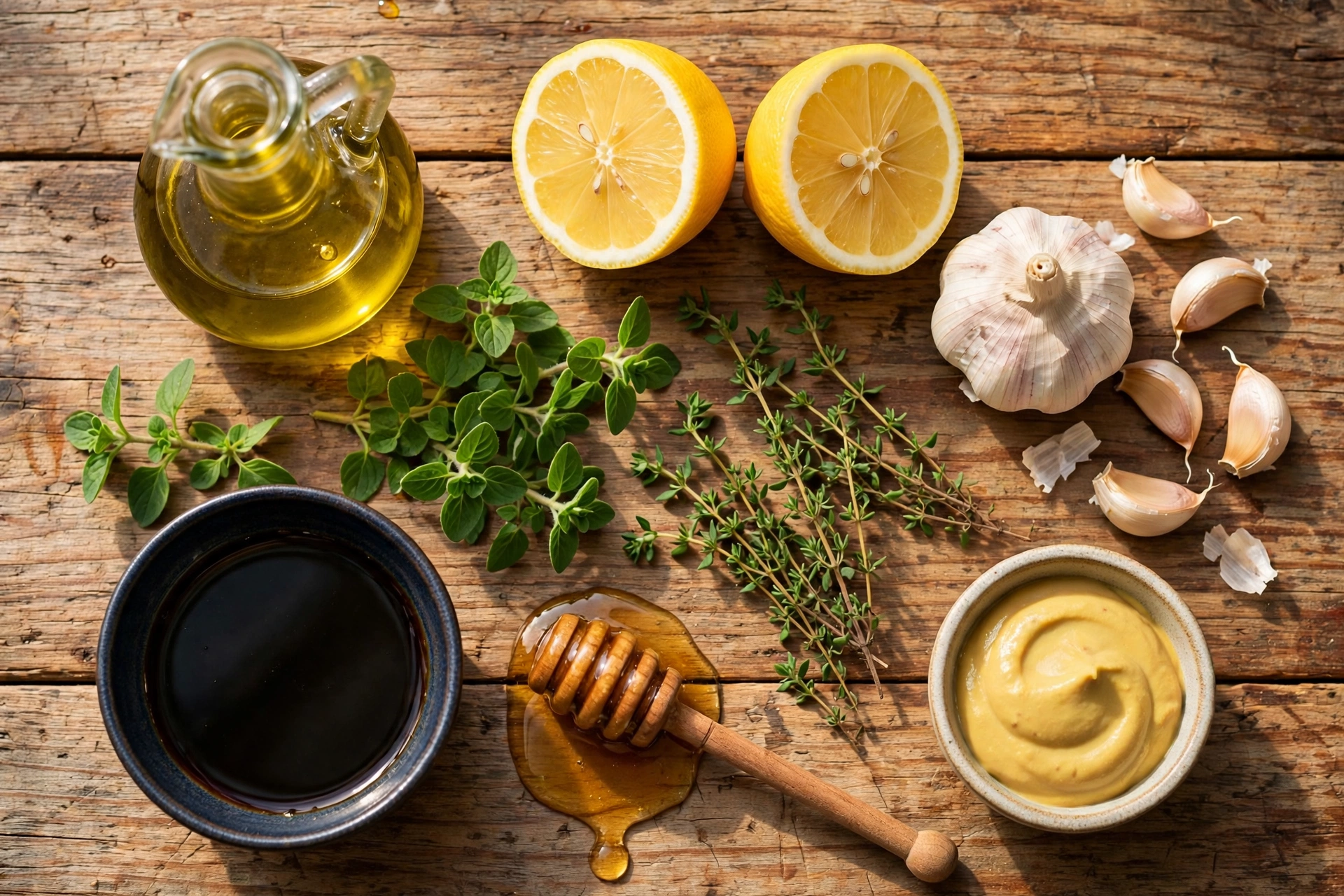
How to Make Juicy Marinated Chicken
Step 1: Mix the Marinade
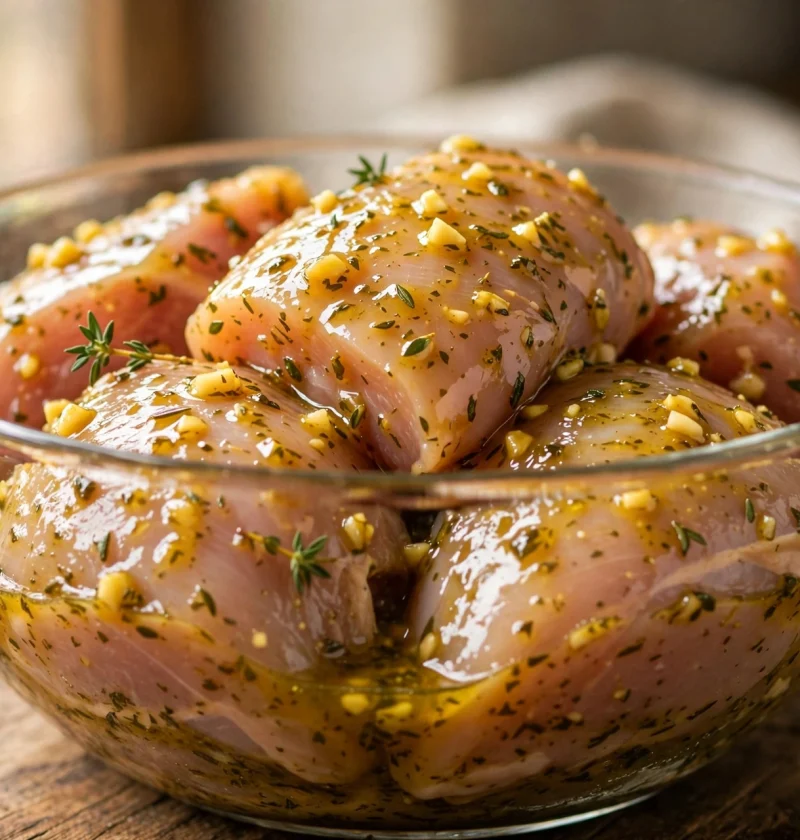
In a medium bowl or large zip-top bag, whisk together the olive oil, lemon juice, soy sauce, honey, Dijon mustard, minced garlic, oregano, thyme, salt, pepper, and smoked paprika until the honey dissolves and the mixture looks glossy and emulsified. Taste it — it should be boldly seasoned, since some flavor stays behind in the bag.
Step 2: Marinate the Chicken
Add the chicken to the marinade and turn to coat every piece thoroughly. Seal the bag (press out excess air) or cover the bowl, then refrigerate for at least 30 minutes and up to 8 hours. Flip the bag or turn the pieces once halfway through if you remember. Never marinate at room temperature — the fridge keeps it food-safe while the flavors work in.
Step 3: Prep the Grill (or Pan)
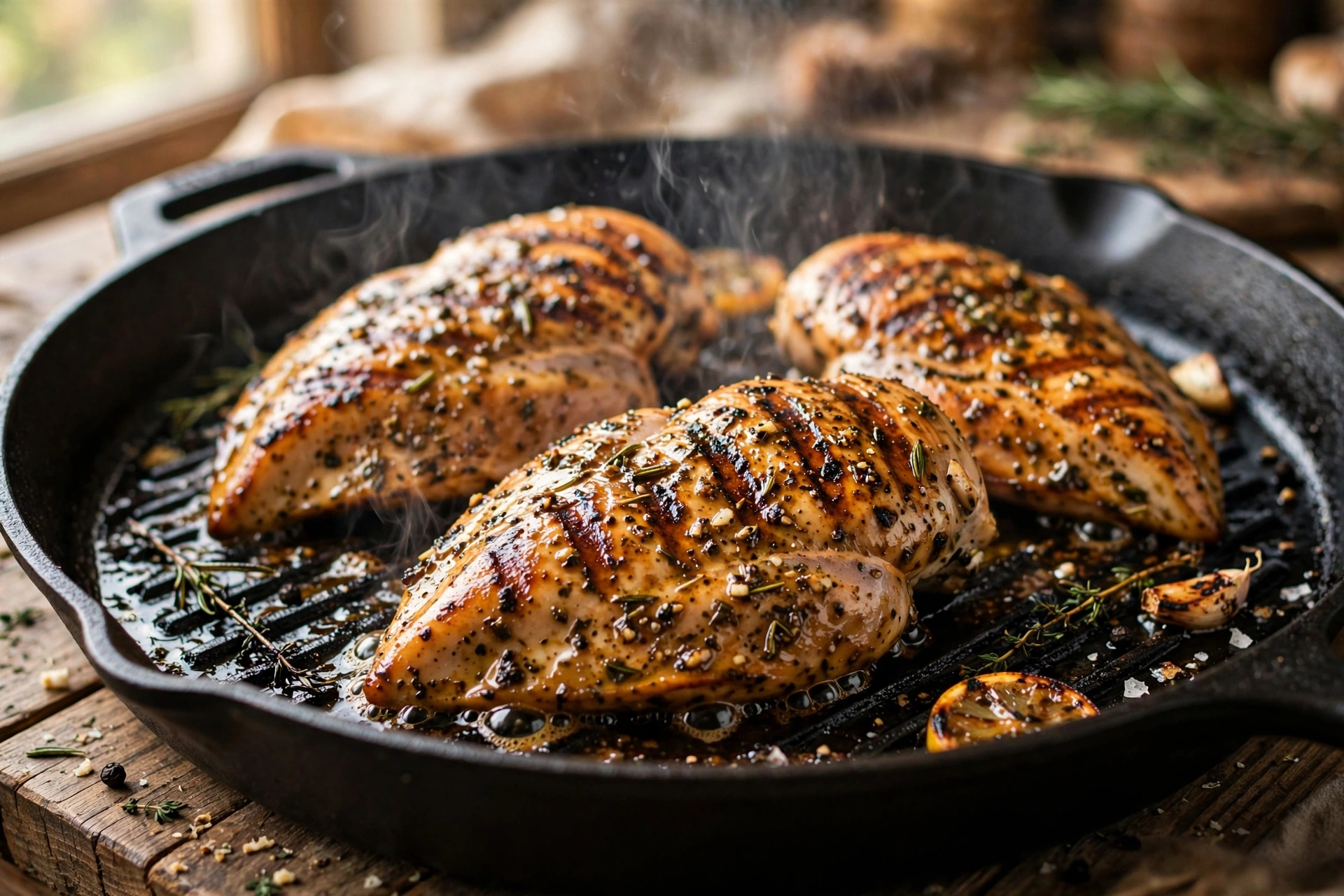
When you’re ready to cook, remove the chicken from the marinade and let the excess drip off — discard the used marinade (see Tips). Pat the surface lightly so it sears instead of steams. For grilling: preheat to medium-high (about 400–450°F / 200–230°C) and oil the grates well. For pan-searing: heat a heavy skillet or grill pan over medium-high with a thin film of oil until shimmering.
Step 4: Cook to 165°F
Grill or sear the chicken 6–7 minutes per side for breasts (5–6 per side for thighs), until deeply golden with charred spots and the juices run clear. The only reliable doneness test is temperature: chicken is safe at 165°F / 74°C internal temperature measured at the thickest part. If the outside chars before the inside is done, move pieces to indirect heat or finish in a 375°F / 190°C oven.
Step 5: Rest and Serve
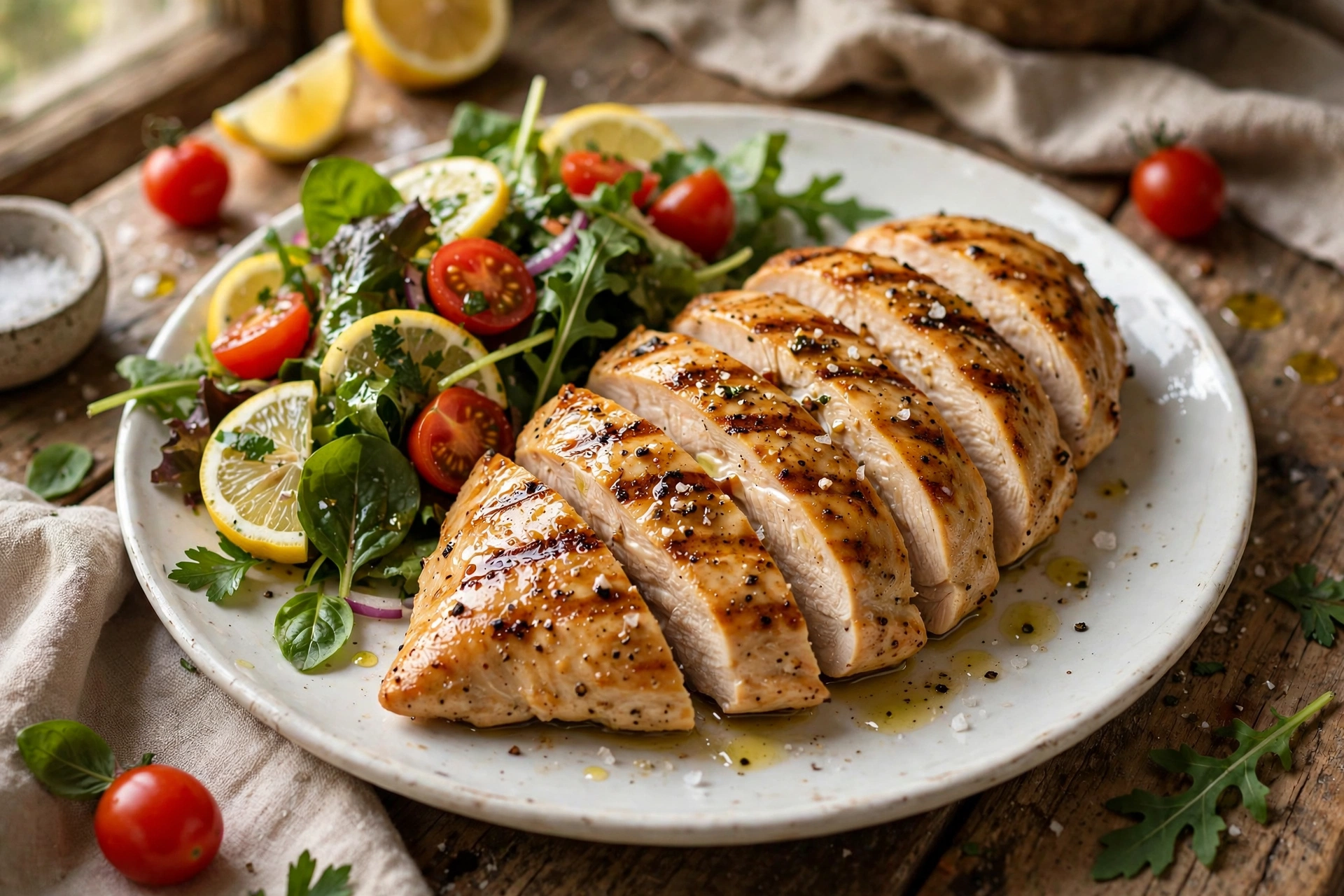
Transfer the chicken to a clean plate or cutting board — never back onto the plate that held raw chicken — tent loosely with foil, and rest for 5 minutes. Resting lets the juices redistribute so every slice stays moist. Slice against the grain and serve hot.
Tips for the Best Chicken Marinade
- Respect the marinating window. Thirty minutes gives good surface flavor; 2–4 hours is the sweet spot for breasts, and thighs can go up to 8 hours. Don’t push citrus marinades past 24 hours — the acid starts turning the texture mushy.
- Never reuse raw marinade as a sauce. Marinade that touched raw chicken is contaminated — discard it, or boil it hard for at least 1 minute before using. Smarter move: set aside ¼ cup of fresh marinade in a separate container before the chicken goes in, and use that for drizzling.
- Pat dry before searing. A wet surface steams; a dry surface chars. Letting excess marinade drip off and patting lightly gives you those gorgeous grill marks.
- Match time to cut. Thin cutlets need only 30–60 minutes; thick breasts 2–4 hours; bone-in pieces up to 8 hours. Score very thick breasts lightly so the marinade penetrates.
- Honey burns fast — manage heat. The honey in this marinade caramelizes beautifully but can char over screaming heat. Medium-high (not max) gives you golden crust without bitterness; move flare-ups to a cooler zone.
Flavor Variations
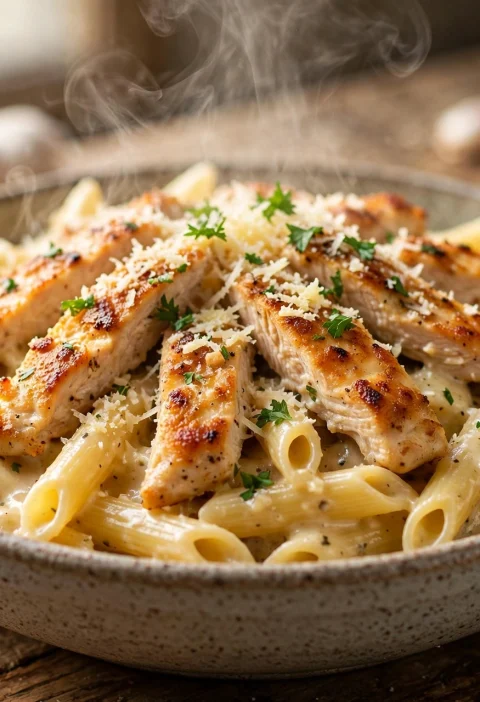
- Italian Herb Chicken Marinade: Swap the soy sauce for 2 tablespoons balsamic vinegar, double the oregano, and add 1 teaspoon dried basil plus ¼ teaspoon red pepper flakes. Finish with fresh parsley — perfect over pasta or in wraps.
- Honey Mustard Chicken Marinade: Increase honey to ⅓ cup and Dijon to ¼ cup, drop the soy sauce to 1 tablespoon, and skip the smoked paprika. Kid-friendly and fantastic on salads.
- Spicy Chipotle Chicken Marinade: Replace the smoked paprika with 2 minced chipotle peppers in adobo plus 1 tablespoon of the adobo sauce, and add the juice of 1 lime alongside the lemon. Made for tacos and burrito bowls.
What to Serve with Marinated Chicken
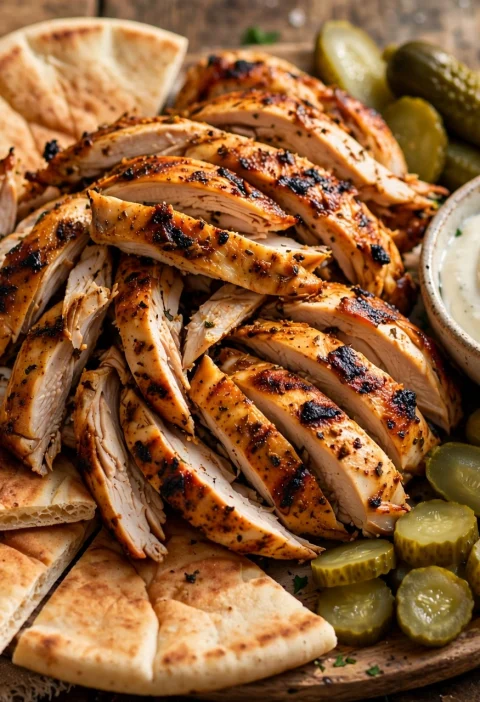
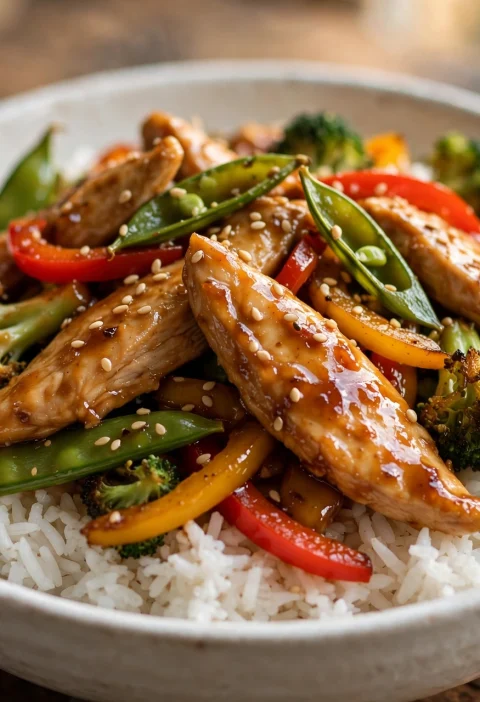
This chicken marinade produces a versatile main that goes with nearly everything. Slice it over a big chopped salad or grain bowl, tuck it into warm pita with tzatziki, or serve whole alongside grilled vegetables, corn on the cob, and buttery mashed potatoes. For a crowd, pair with cilantro-lime rice and a simple slaw — the smoky-sweet chicken does all the heavy lifting.
Storage and Reheating
- Refrigerator: Store cooked chicken in an airtight container for up to 4 days. Uncooked chicken can sit in the marinade in the fridge for up to 8 hours (24 hours max for this citrus marinade).
- Freezer: Freeze chicken IN the marinade in a zip-top bag for up to 3 months — it marinates as it thaws. Or freeze cooked sliced chicken up to 3 months. Thaw overnight in the fridge, never on the counter.
- Reheating: Warm gently in a covered skillet over low heat with a splash of broth or water, or microwave at 50% power in short bursts until steaming (165°F / 74°C). Avoid blasting it — high heat turns juicy chicken rubbery.
Chicken Marinade FAQs
How long should I marinate chicken?
At least 30 minutes for noticeable flavor. Boneless breasts are best at 2–4 hours, thighs at 2–8 hours, and bone-in pieces up to 8 hours — always refrigerated. With this lemon-based chicken marinade, don’t exceed 24 hours or the acid can make the meat mushy.
Can I freeze chicken in the marinade?
Yes — it’s one of the best meal-prep tricks. Put raw chicken and marinade in a freezer bag, press out the air, and freeze up to 3 months. Thaw overnight in the refrigerator; it keeps marinating as it thaws. Then grill or sear as usual.
Can I reuse leftover marinade?
Not as-is. Marinade that touched raw chicken must be discarded or boiled hard for at least 1 minute to be safe. The easy workaround: before adding the chicken, reserve ¼ cup of fresh marinade in a separate jar for drizzling or dipping.
What’s the best cut of chicken for marinating?
Boneless thighs are the most forgiving — they stay juicy even if slightly overcooked. Breasts work beautifully too as long as you don’t over-marinate or overcook (pull at 165°F / 74°C). For kabobs, use thighs; for slicing over salads, breasts.
Yogurt-based or oil-based marinade — which is better?
Both work, differently. Oil-based marinades like this one give better browning and char on the grill and a cleaner flavor. Yogurt-based marinades tenderize more aggressively (great for tikka-style). For classic grilled chicken with crispy edges, oil-based wins.
Best All-Purpose Chicken Marinade
Ingredients
Method
- In a medium bowl or large zip-top bag, whisk together the olive oil, lemon juice, soy sauce, honey, Dijon mustard, minced garlic, oregano, thyme, salt, pepper, and smoked paprika until the honey dissolves and the mixture looks glossy and emulsified. Taste it — it should be boldly seasoned, since some flavor stays behind in the bag.
- Add the chicken to the marinade and turn to coat every piece thoroughly. Seal the bag (press out excess air) or cover the bowl, then refrigerate for at least 30 minutes and up to 8 hours. Flip the bag or turn the pieces once halfway through if you remember. Never marinate at room temperature — the fridge keeps it food-safe while the flavors work in.
- When you're ready to cook, remove the chicken from the marinade and let the excess drip off — discard the used marinade (see Tips). Pat the surface lightly so it sears instead of steams. For grilling: preheat to medium-high (about 400–450°F / 200–230°C) and oil the grates well. For pan-searing: heat a heavy skillet or grill pan over medium-high with a thin film of oil until shimmering.
- Grill or sear the chicken 6–7 minutes per side for breasts (5–6 per side for thighs), until deeply golden with charred spots and the juices run clear. The only reliable doneness test is temperature: chicken is safe at 165°F / 74°C internal temperature measured at the thickest part. If the outside chars before the inside is done, move pieces to indirect heat or finish in a 375°F / 190°C oven.
- Transfer the chicken to a clean plate or cutting board — never back onto the plate that held raw chicken — tent loosely with foil, and rest for 5 minutes. Resting lets the juices redistribute so every slice stays moist. Slice against the grain and serve hot.